
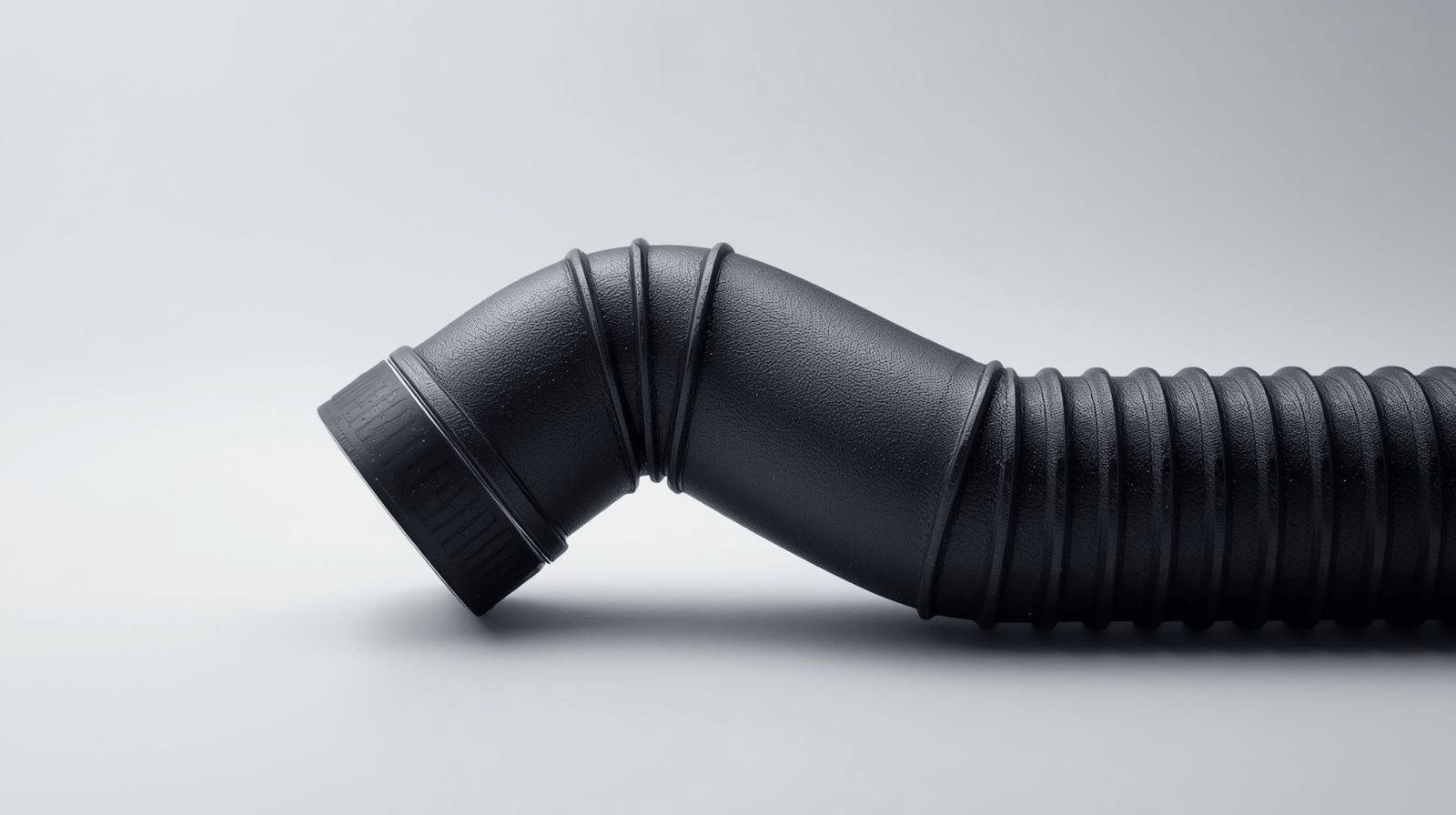
What is a Radiator Hose: Complete Guide for Pakistani Car Owners
This guide provides a detailed insight of radiator hoses, including how to identify issues with upper radiator hoses, radiator hose clamps, and how to perform a radiator hose fix. It covers the process of changing radiator hoses, how to replace radiator hose step-by-step, and explores how much a radiator hose costs and the expenses involved in replacing a radiator hose. Whether you’re looking for DIY tips or professional advice, this blog will help you maintain your car’s cooling system effectively.
What Is a Radiator Hose/car engine cooling system?
A radiator hose is a flexible channel that carries coolant between your car’s engine and the radiator.
It’s usually made of reinforced rubber or silicone to withstand heat, pressure, and vibration in the engine bay. These hoses are essential because they help regulate engine temperature by circulating coolant and prevent overheating and engine damage.
There are two types of radiator hose:
- Upper radiator hose: carries hot coolant from the engine to the radiator
- Lower radiator hose: returns cooled coolant from the radiator back to the engine
Types of Radiator Hose: Upper and Lower Radiator Hose
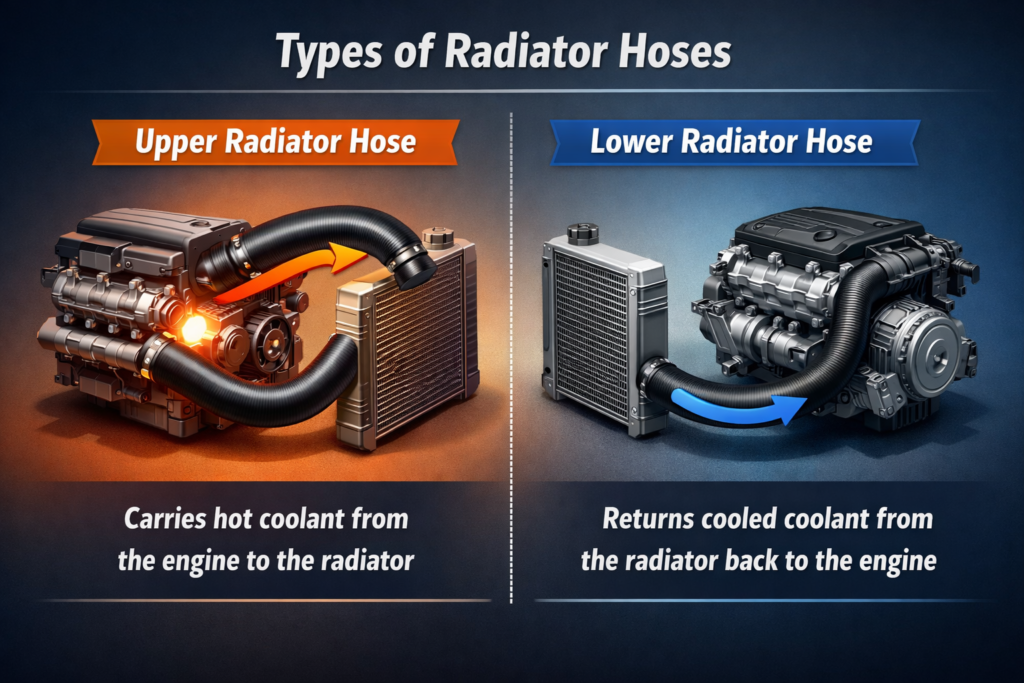
Types of Radiator Hose: Upper and Lower Radiator Hose
Each hose is precisely shaped for its location and not interchangeable.
How does your Radiator Hoses Work in Your Car’s Engine Cooling System work with a radiator hose?
The cooling system of a radiator hose is a loop:
- Coolant absorbs engine heat
- Hot coolant travels through the upper radiator hose into the radiator
- The radiator cools the fluid
- Coolant returns via the lower radiator hose to repeat the cycle
Without properly functioning hoses, coolant flow becomes impaired that leads to engine overheating, poor fuel efficiency, and long‑term damage.
Symptomsigns of a Failing/Bad Radiator Hose
Watch for these common symptoms:
- Visible leaks or coolant puddles under the car
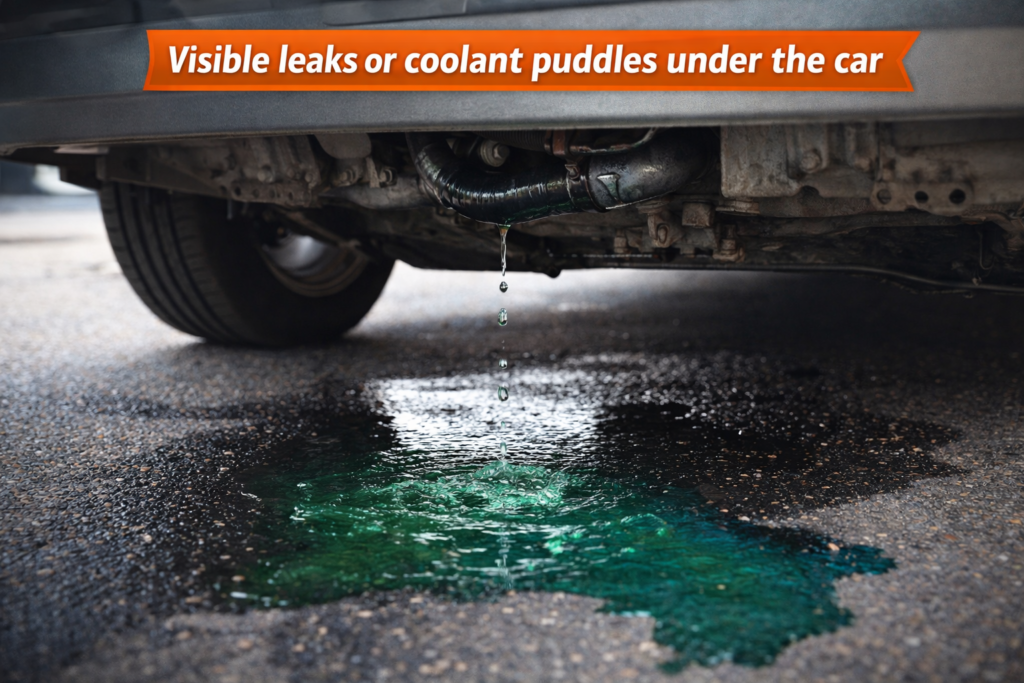
Symptom of bad radiator hose
If your cars shows drops of coolant leaking down or puddles of coolants down the engine on the floor while you park your car, It is a clear symptom that your radiator hose is damaged and needs replacements.
- Engine overheating or rising temperature gauge
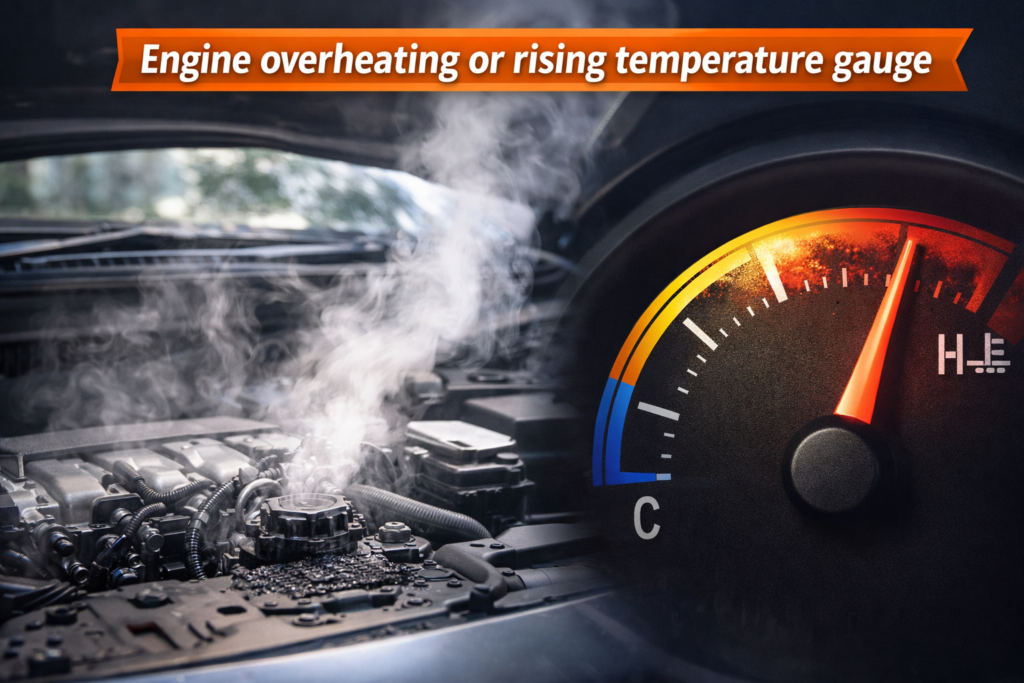
Symptom of bad radiator hose
If your car’s temperature sensors show high temperature warnings, or the engine overheats with smoke visible with naked eye, it shows that your radiator hose is damaged and needs quick replacements.
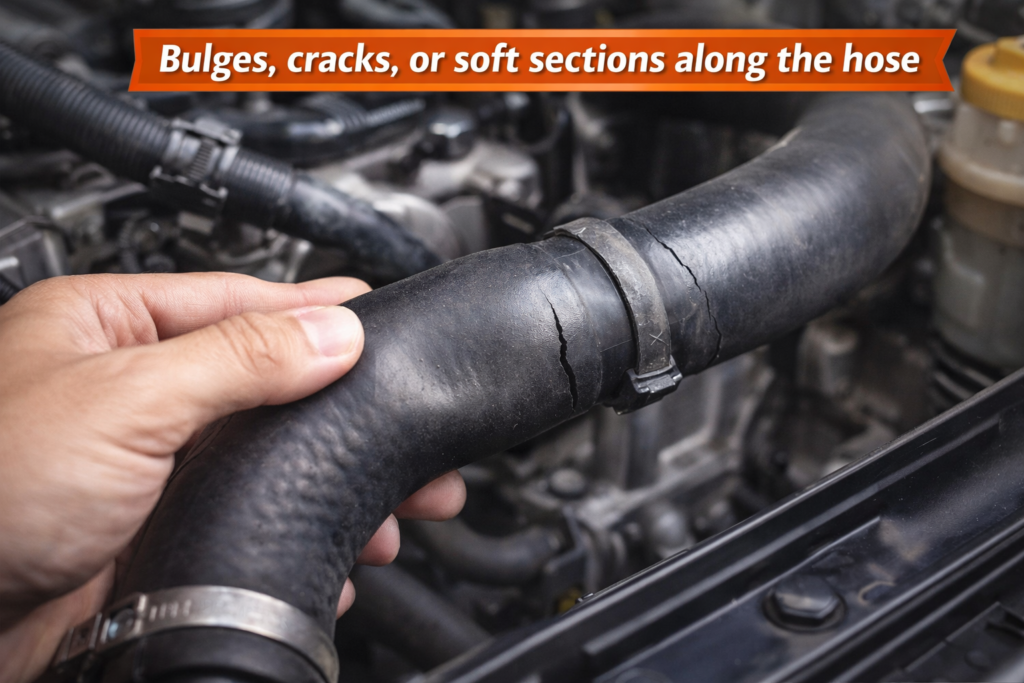
- Bulges, cracks, or soft sections along the hose
Symptom of bad radiator hose
If you closely analyse your radiator hose and it shows cracks, bulges or soft sections when you press it, it is a clear indication that your radiator hose is damaged and needs quick replacement.
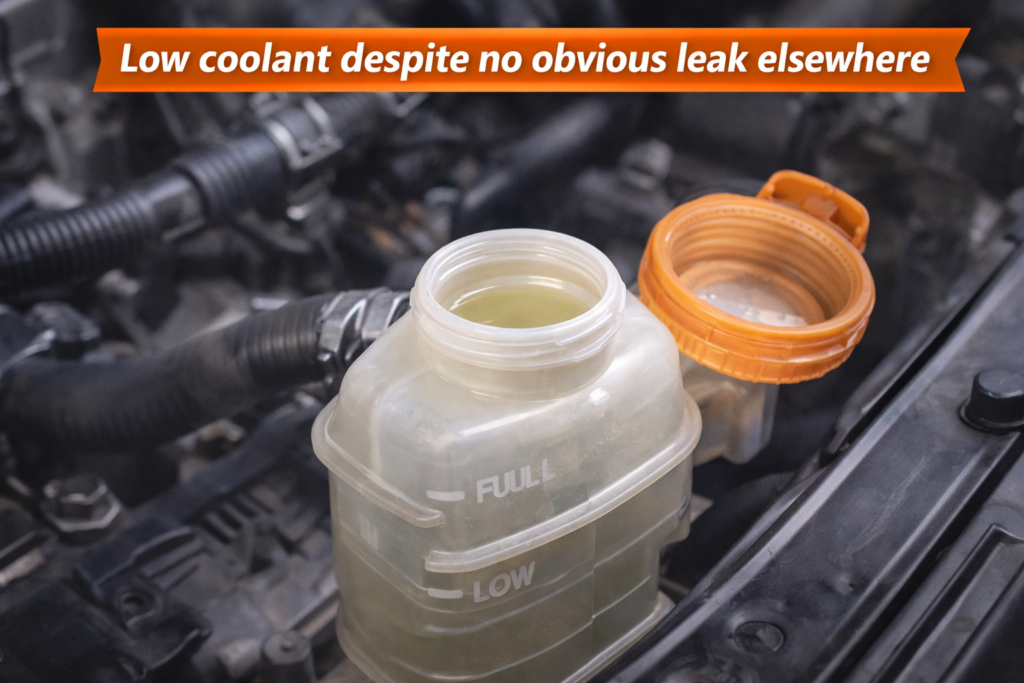
- Low coolant despite no obvious leak elsewhere
Symptom of bad radiator hose
If your car’s coolant level regularly decreases over a short period of time, despite that there is no visible leak. This means that your radiator hose is damaged and consuming extra coolant so it should be replaced.
These are strong indications it’s time to investigate the radiator hose.
When to You Should Replace Your Radiator Hose?
Routine Inspection
Inspect your radiator hoses at least once a year or at every major service interval. Check both ends, feel for soft areas, and look for cracks along the length. Early detection helps prevent sudden failures.
Urgent Replacement Triggers
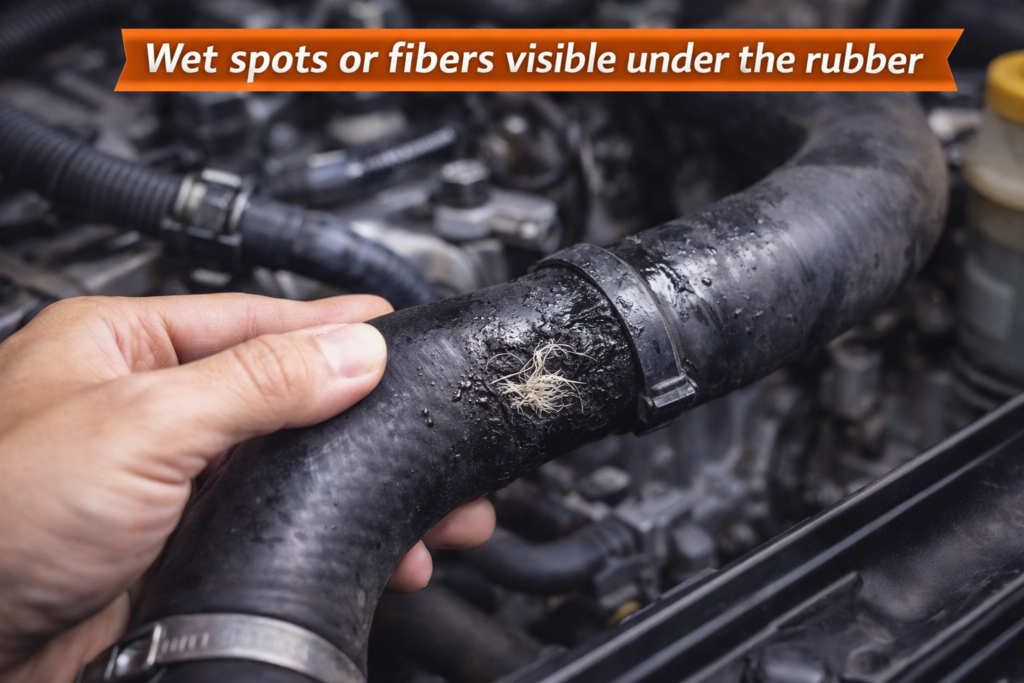
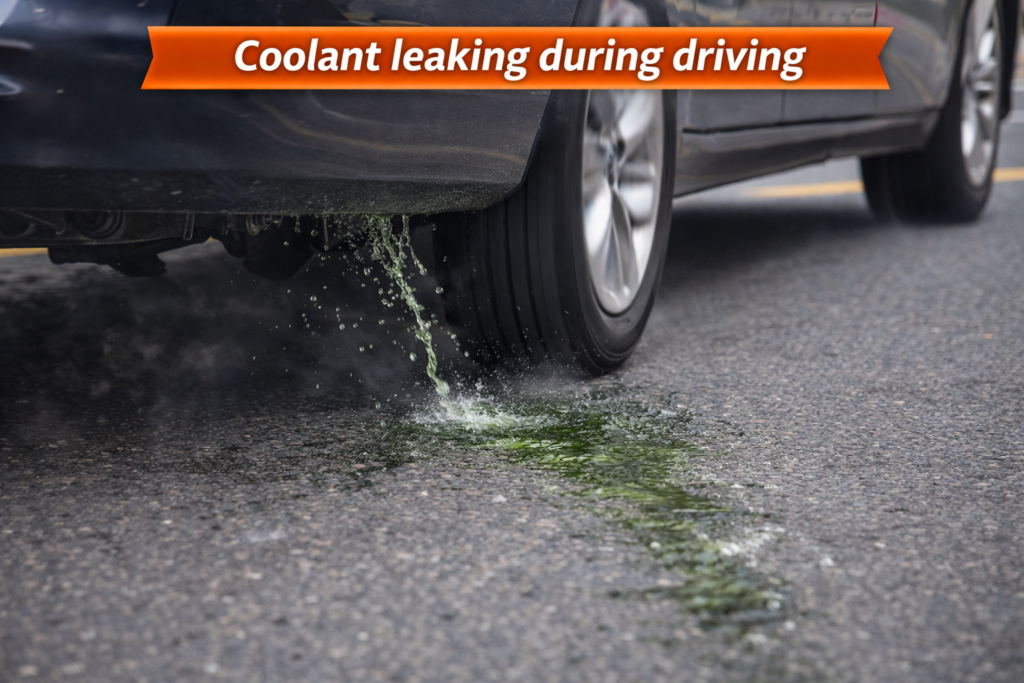
Replace the hose immediately if you see:
- Wet spots or fibers visible under the rubber
Bad Radiator Hose requiring fix
- Coolant leaking during driving
Bad Radiator Hose requiring fix
Parts Needed to Change a Radiator Hose
Before attempting a DIY radiator hose replacement, gather:
- New radiator hose
- Radiator hose clamps
- Socket set or wrench set
- Screwdrivers and pliers
- Coolant (“antifreeze”) and a funnel
- Drain pan to catch old coolant
- Gloves and eye protection
Having the right tools prevents mistakes and makes the job safer and more efficient.
How to Replace a Radiator Hose(Upper and Lower)?
This section answers how to replace radiator hose in clear steps that even beginners can follow.
1. Preparation & Safety
- Make sure the engine is completely cool before touching anything
- Park on flat ground and engage the parking brake
- Place a drain pan under the radiator to catch old coolant
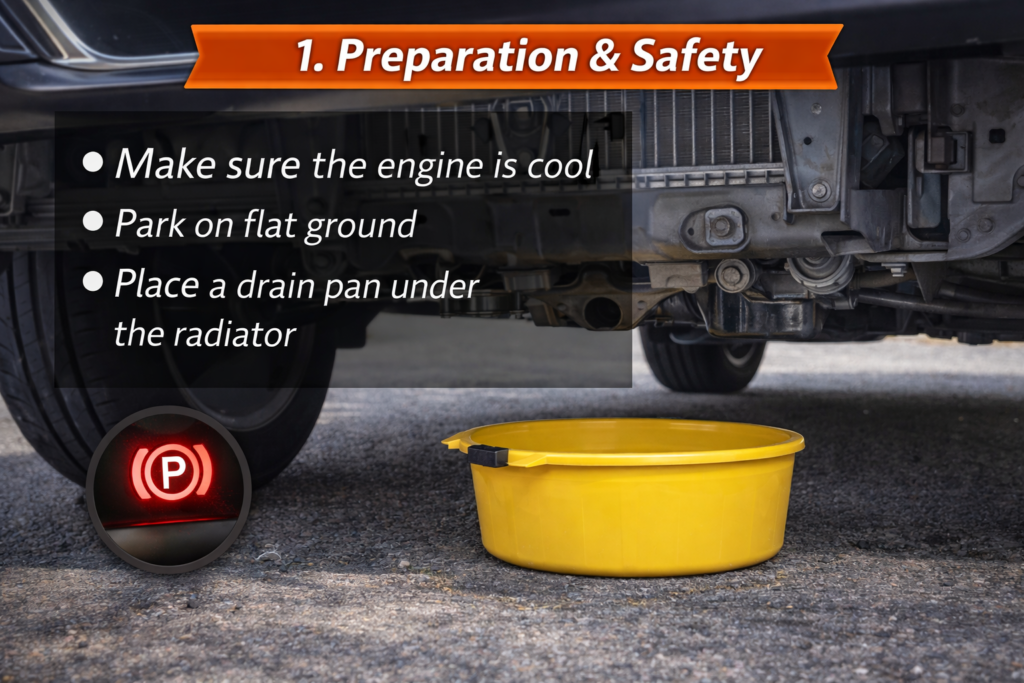
How to Replace a Radiator Hose Step 1: Preparation & Safety
2. Drain the Coolant
Open the radiator’s drain plug and allow the old coolant to flow into your pan. If your vehicle doesn’t have a drain plug, disconnecting the lower radiator hose will drain the system.
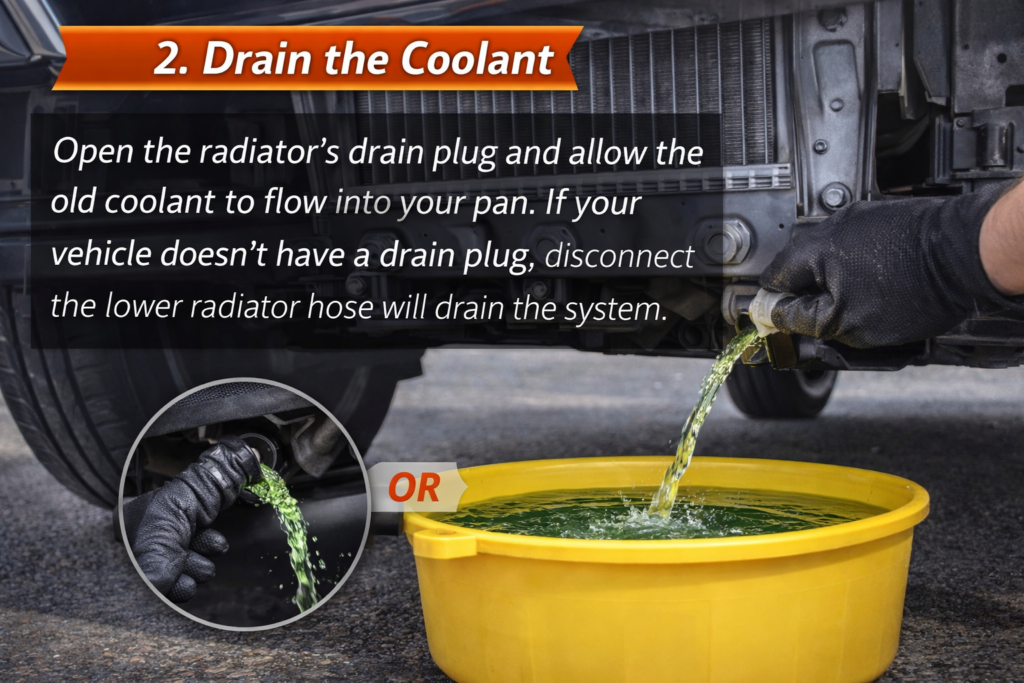
How to Replace a Radiator Hose Step 2: Drain the Coolant
3. Remove the Old Hose
- Loosen the clamp nearest to the radiator
- Then loosen the clamp at the engine end
- Gently twist the hose free from each end
- Be prepared for residual coolant to drip out
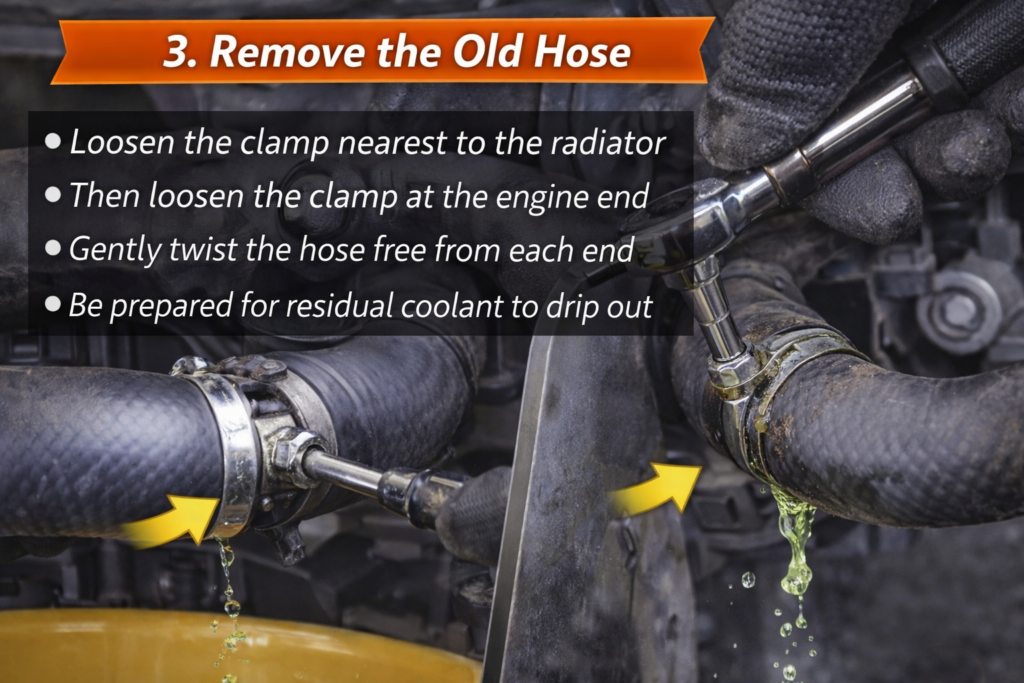
How to Replace a Radiator Hose Step 3: Remove the Old Hose
4. Install the New Radiator Hose
- Slide clamps onto the new hose before installing
- Fit the hose into place, first at the engine end, then at the radiator
- Tighten clamps securely to avoid leaks
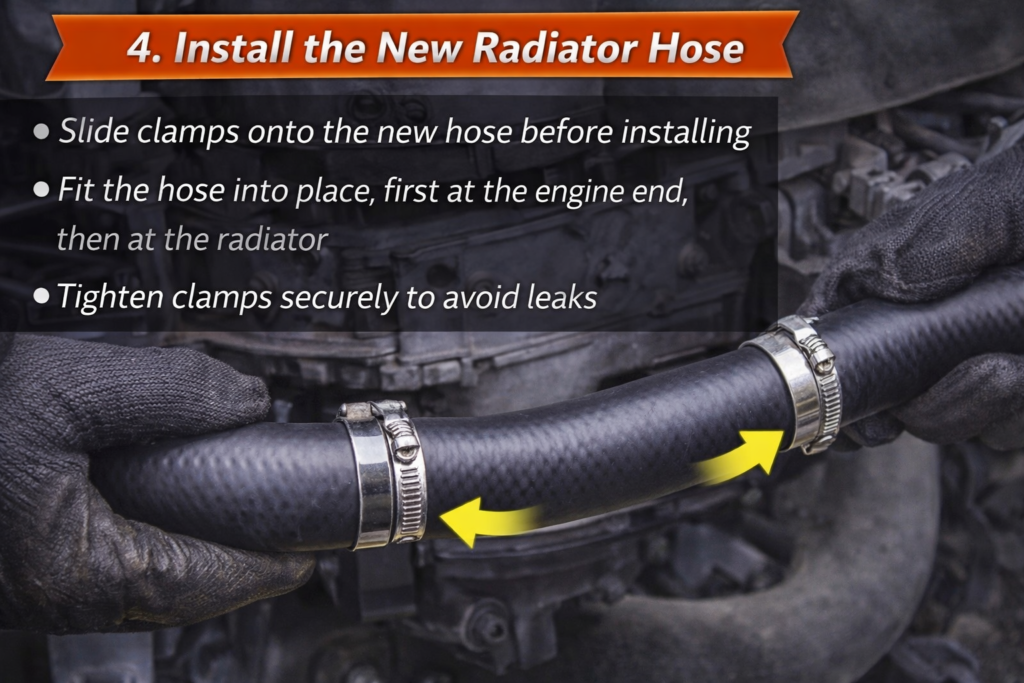
How to Replace a Radiator Hose Step 4: Install New Radiator Hose
Always ensure you install the correct hose size and shape — radiator hoses are not interchangeable.
5. Refill Coolant & Test
- Refill the system with fresh coolant to the recommended level
- Start the engine and let it reach normal operating temperature
- Watch for leaks and ensure the temperature gauge stays stable
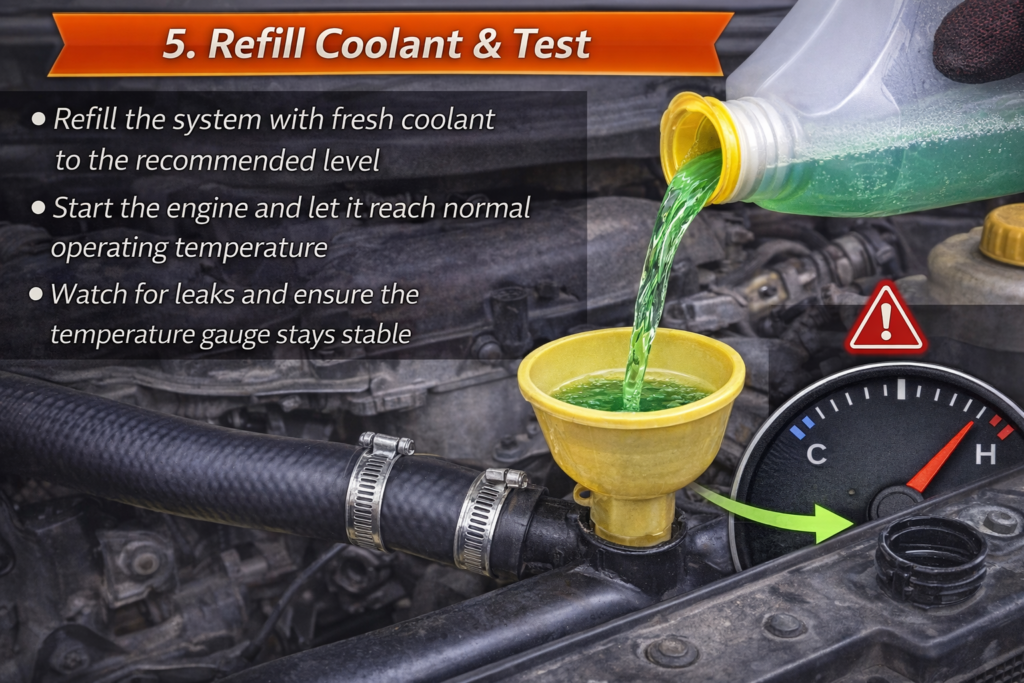
How to Replace a Radiator Hose Step 5: Refill the Coolant
This final check ensures your cooling system is sealed and working properly.
How Much Is a Radiator Hose Prices & Replacement Cost
A common question people ask is how much is a radiator hose and how much to replace radiator hose.
Parts Only
- Basic hoses can cost as little as $10–$60
- Silicone or higher‑grade hoses may reach $100+ depending on quality and vehicle type
Professional Replacement Cost
- Professional replacement using a shop typically ranges broadly — $350 to $630 on average, including parts and labor
- Some services report national averages up to $536–$614, depending on vehicle and labor rates in your area
DIY Savings
Doing it yourself significantly reduces labor costs. DIY total investment (hose + coolant + clamps) can be $50–$100 if you already own the basic tools.
Common Radiator Hose Problems & Fixes
Temporary Fixes
If a minor leak is found and you’re not near home, you might temporarily:
- Use coolant sealant sprays
- Apply specialized hose repair tape until you can replace the hose
Permanent Fixes
- Replace the entire hose if you see cracks, bulges, or significant wear
- Replace old clamps if corroded or loose
Proper tightening of radiator hose clamps helps prevent leaks and reduces rear‑end hose wear.
Radiator Hose Maintenance Tips
To maximize the life of your radiator hose:
- Check hoses regularly during oil changes
- Flush coolant system per manufacturer recommendations
- Use proper coolant type and mix
- Ensure clamps are tight but not over‑torqued
Well‑maintained hoses can last for years without problems.
Frequently Asked Questions (FAQ)
What Is an Upper Radiator Hose?
It’s the hose that carries hot coolant from the engine to the radiator. Replacing it when worn prevents overheating and protects your engine.
Can I Drive With a Bad Radiator Hose?
Driving with a damaged hose is risky — it can lead to overheating, breakdown, or engine damage.
How Long Does a Radiator Hose Last?
Most can last 4–6 years or tens of thousands of miles, but age and heat cycles eventually degrade rubber.
Conclusion
Maintaining your radiator hose is key to keeping your car’s engine running smoothly. Regular inspections, timely replacements, and proper hose care can prevent costly repairs. Whether you opt for a DIY fix or professional help, ensuring your radiator hose is in top condition will protect your engine from overheating and costly damage.


